
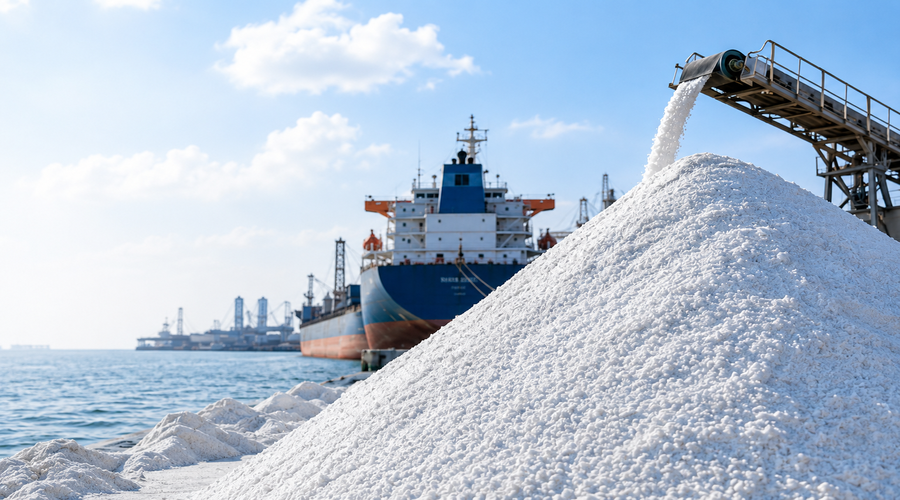
Imagine a world without industrial salt. Factories would struggle to produce essential chemicals, water treatment systems would face challenges, and several manufacturing processes would become more difficult.
Surprising, isn’t it?
Most people think of salt as something that belongs in the kitchen. However, beyond its familiar role in food, salt has an entirely different identity in the industrial world.
Industrial salt is one of the most widely used raw materials in modern manufacturing. From producing chemicals to treating water, this simple mineral supports many processes that businesses depend on every day.
What is Industrial Salt?
So, what makes industrial salt so valuable? Let’s explore.
Industrial salt is sodium chloride (NaCl) used for manufacturing, chemical processing, water treatment, and other industrial purposes. Unlike table salt, which is processed to meet food safety requirements, industrial salt is supplied according to the technical needs of different industries.
It is available in several forms, including rock salt, solar salt, washed salt, and refined salt. The required purity, moisture level, and particle size depend on how the salt will be used.
One Mineral, Many Industries: Where Does Industrial Salt Go?
Industrial salt might look ordinary, but its applications are surprisingly diverse.
1. Chemical Manufacturing
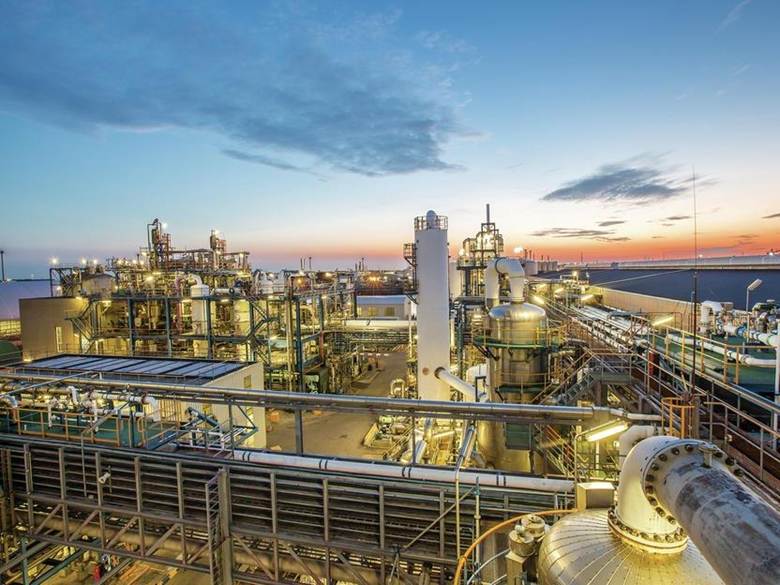
Industrial salt is an important raw material in producing chlorine, caustic soda, and hydrogen through the chlor-alkali process. These chemicals support numerous manufacturing activities.
2. Water Treatment
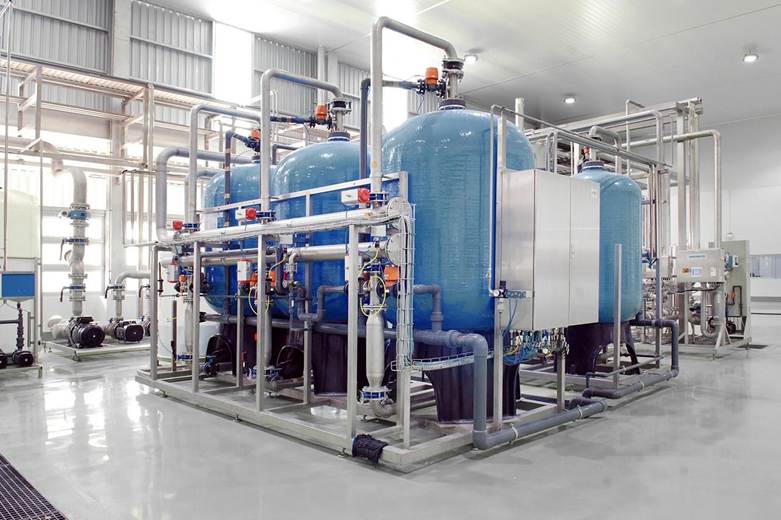
Hard water can cause mineral deposits inside pipes and equipment. Industrial salt helps regenerate ion-exchange resins used in water-softening systems.
3. Textile Industry
During certain fabric dyeing processes, salt helps improve dye absorption. This supports more consistent coloring in textile manufacturing.
4. Leather Processing
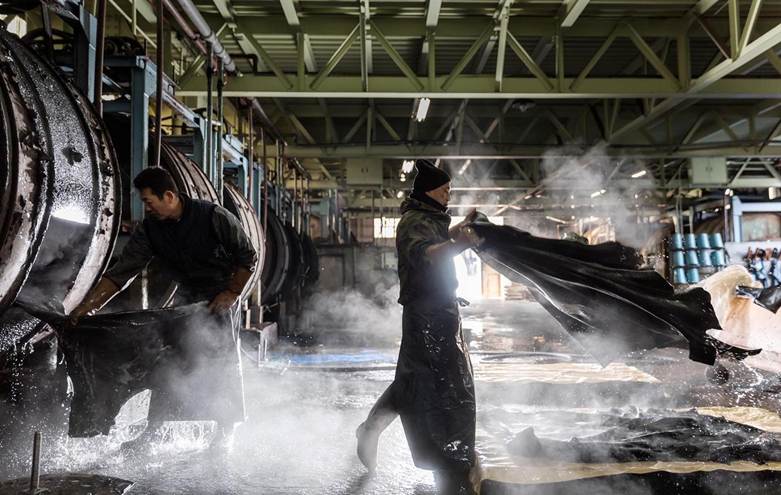
Salt is commonly used to preserve raw hides and skins before tanning. It helps control bacterial activity and reduces deterioration during storage and transportation.
5. Road Maintenance
In colder countries, salt helps melt ice and prevent dangerous ice buildup on roads. This makes winter transportation safer.

Not All Industrial Salt is the Same!
Here’s something interesting: two bags of industrial salt may look similar but perform differently in manufacturing. That’s because industrial salt comes in several varieties.
| Type | What Makes It Different? |
| Solar Salt | Produced through natural evaporation of seawater or saline water. |
| Rock Salt | Mined from underground deposits and available in different crystal sizes. |
| Refined Salt | Processed to achieve controlled purity and consistent quality. |
| Washed Salt | Washed to reduce certain impurities and unwanted materials. |
Choosing the right type depends on the industry’s technical requirements rather than appearance alone.
What Makes It a Reliable Raw Material?
Industries need materials that support consistent production. Industrial salt offers several practical advantages.
- Wide Availability: Salt is produced in many regions, supporting large-scale industrial supply.
- Multiple Applications: One mineral serves several industries, from chemicals to textiles.
- Cost-Effective Material: Industrial salt is generally economical compared with many specialized chemical raw materials.
- Flexible Packaging: It can be supplied in bags or jumbo bags for bulk industrial requirements.
- Different Quality Grades: Buyers can select specifications based on their manufacturing processes.
These advantages make industrial salt an important part of industrial supply chains.
Before Buying Industrial Salt, Check These Four Things
Price matters, but buying industrial salt based only on the lowest quotation can create problems later. Smart industrial buyers pay attention to four important specifications.
- Purity (NaCl Content): Indicates the percentage of sodium chloride present in the salt.
- Moisture Content: Shows the amount of water present, which can affect storage and handling.
- Particle Size: Determines whether the salt’s crystal size suits the intended industrial process.
- Insoluble Matter: Measures materials that do not dissolve in water and may affect certain applications.
Buyers should also request a Certificate of Analysis (COA) to verify product specifications before confirming bulk orders.
Why is India Important in the Industrial Salt Market?
India is among the world’s major salt-producing countries, with significant production in states such as Gujarat, Rajasthan, and Tamil Nadu. Its salt production capacity, established supplier network, and access to international shipping routes support exports to overseas industrial markets.
For international buyers, selecting an Indian supplier involves checking product quality, packaging, documentation, and shipping arrangements.
The Future of Industrial Salt: Still Going Strong
As industries continue producing chemicals, treating water, and manufacturing essential products, industrial salt will remain an important raw material. However, the future is not only about supplying larger quantities. Buyers are also paying attention to consistent quality, responsible sourcing, efficient logistics, and dependable supplier relationships. Companies that focus on these areas can build stronger positions in the global industrial salt market.
Final Thoughts
Industrial salt may appear simple, but its importance goes far beyond its appearance. It supports essential manufacturing processes, helps industries manage water, and contributes to products used worldwide. The next time you see a pile of salt, remember that it could be more than an ordinary mineral. It might be a small but essential part of a much larger industrial process. For industrial buyers, the right salt is not simply about price. It’s about choosing the right quality, specifications, and reliable supply.